
Are woven badges More Durable Than Embroidered Patches?
What Are Woven Badges and How Are They Made?
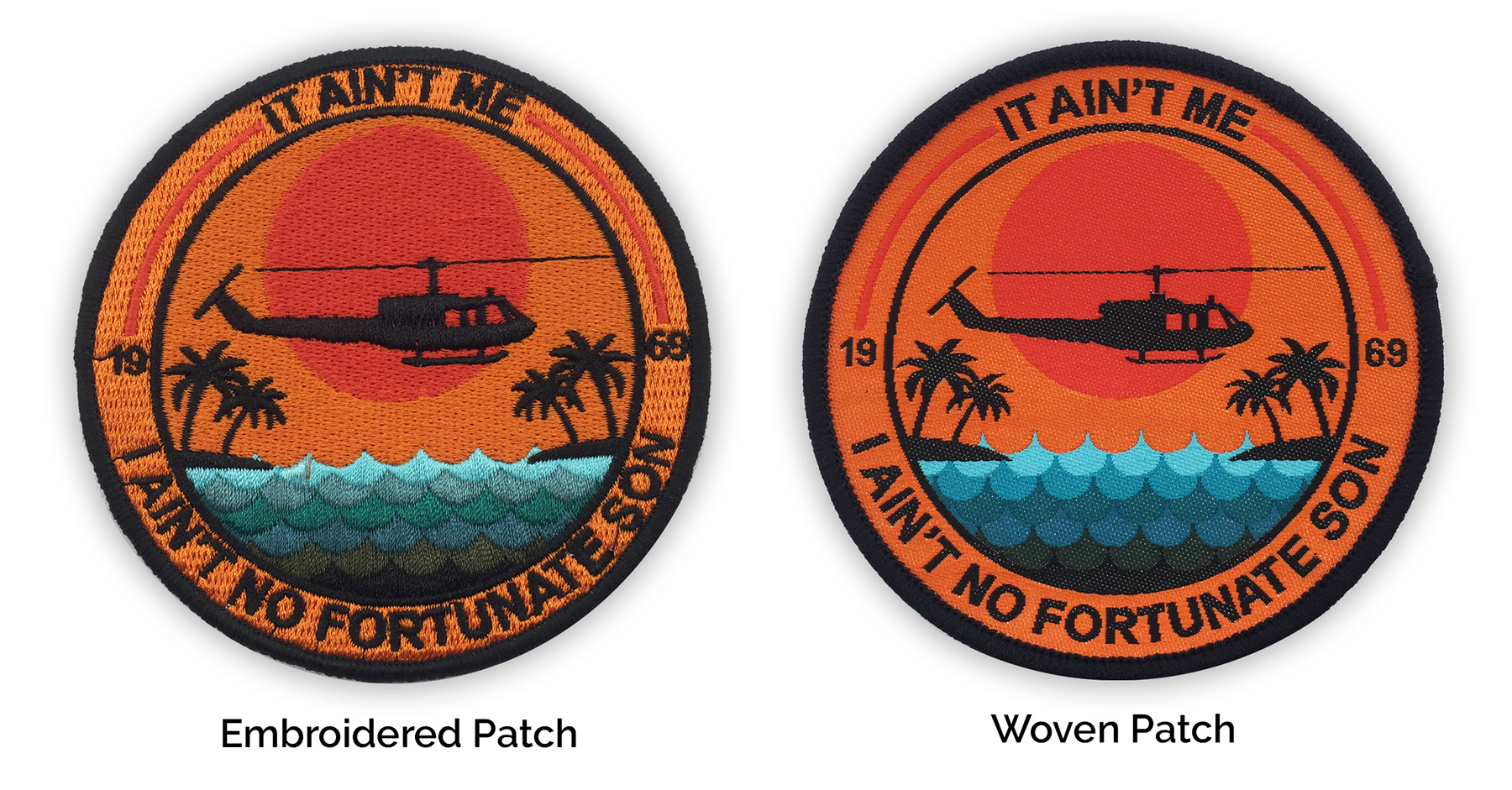
Woven badges are custom patches created by interlacing thin polyester or nylon threads on computerised looms to form intricate designs directly into the fabric structure. Unlike traditional embroidery, the weaving process produces the design as an integral part of the badge rather than stitching it onto a backing material.
The patch manufacturing technique uses threads as fine as 50-75 denier, woven at high thread counts to achieve exceptional detail. This allows manufacturers to reproduce complex logos, small text as tiny as 1mm, and photographic-quality images with precision that other patch types cannot match.
Key characteristics of woven badges include:
- Smooth, flat surface with no raised texture or dimensional elements
- Lightweight and flexible construction that conforms easily to curved surfaces
- High-resolution detail capable of rendering fine lines, gradients, and intricate patterns
- Soft feel against skin, making them comfortable for clothing applications
- Clean edges with minimal fraying due to the tight weave structure
The weaving process begins with digital artwork converted into a weaving pattern. Automated looms then interlace horizontal (weft) and vertical (warp) threads following this pattern, building the design row by row. The result is a thin, pliable badge typically measuring 0.5-1mm in thickness—significantly thinner than embroidered alternatives.
This construction method makes woven badges particularly suitable for designs requiring sharp detail, such as corporate logos with small typography, military insignia with intricate elements, or fashion labels demanding a sleek aesthetic.
What Are Embroidered Patches and How Are They Made?
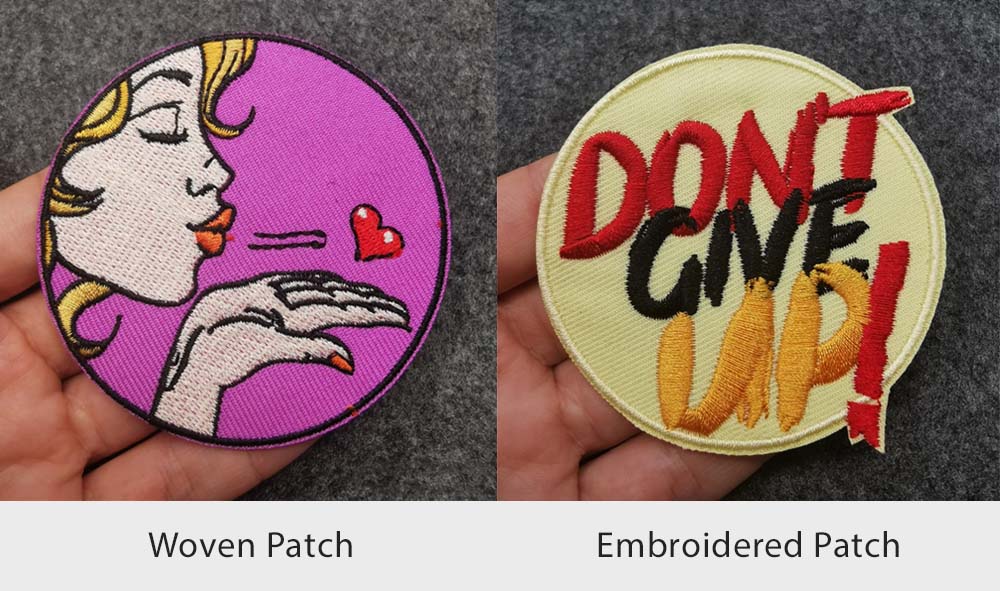
Embroidered patches are textile decorations created through the embroidery process of stitching thick threads onto a fabric foundation. The patch stitching technique involves using computerised embroidery machines or hand-stitching methods to layer threads in specific patterns, building up the design element by element.
The manufacturing process begins with digitising the desired artwork into a stitch file that guides the embroidery machine. Thick embroidery threads—typically polyester or rayon—are then stitched onto a fabric backing material in multiple passes. Each colour in the design requires a separate thread change, with the machine creating thousands of individual stitches to form the complete image.
The embroidered patches definition centres on their distinctive dimensional quality. Unlike flat printing methods, the layered stitching creates a raised, textured surface that gives patches their characteristic tactile feel. The threads build upon each other, forming peaks and valleys that catch light differently depending on the viewing angle.
Construction Materials and Backing Options
The fabric backing serves as the foundation for all stitching work. Twill remains the most popular choice due to its tight diagonal weave pattern that prevents threads from pulling through. This cotton or polyester blend fabric provides stability whilst remaining flexible enough for application on various garments.
Felt backing offers a softer, thicker alternative particularly suited for patches requiring extra body or a vintage aesthetic. The dense, non-woven material grips stitches securely and adds cushioning beneath the embroidered design.
Other backing options include:
- Canvas for heavy-duty applications
- Satin for a lustrous finish
- Denim for casual wear patches
- Synthetic blends for weather resistance
The thread count and stitch density directly impact the final appearance. Higher stitch counts create fuller coverage and more defined details, whilst lower densities produce a lighter, more breathable patch. Most quality embroidered patches feature between 5,000 to 15,000 stitches per square inch, depending on design complexity.
How Does the Construction Affect the Durability of Woven Badges?
The tightly woven structure of thin threads creates a compact, dense fabric that resists unravelling and maintains its shape over time. Woven badge durability stems from the interlocking nature of these threads, which prevents individual strands from pulling loose during normal handling or wear.
The Importance of Weaving
The weaving process binds threads horizontally and vertically in a precise pattern, creating a unified surface where each thread supports its neighbours. This construction method distributes stress evenly across the badge when it experiences tension or friction. Unlike loose fabric that can snag or separate, the tight weave keeps threads secured in place even after repeated contact with clothing, bags, or other surfaces.
Strength in Numbers
Thread strength in woven badges comes from the cumulative effect of multiple thin threads working together rather than relying on individual thick strands. The polyester or rayon threads commonly used in woven badges possess inherent resistance to stretching and breaking. When woven tightly, these materials form a cohesive unit that can withstand regular use without degrading quickly.
Flexibility for Longevity
The flexibility and lightweight characteristics of woven badges contribute significantly to their longevity in everyday applications. Thin threads create a pliable badge that bends and moves with the fabric it’s attached to, reducing stress points that could cause cracking or separation. This adaptability proves particularly valuable when badges are sewn onto garments that undergo frequent movement, such as shirts, jackets, or caps.
Minimising Pulling Force
Lightweight construction minimises the pulling force on attachment points, whether sewn or heat-sealed. Heavy patches can strain stitching or adhesive over time, especially on lightweight fabrics. Woven badges avoid this issue by adding minimal weight whilst maintaining structural integrity.
Smooth Surface for Wear Resistance
Wear resistance in woven badges manifests through their smooth, flat surface that reduces friction against other materials. The absence of raised threads means there are fewer exposed elements to catch on zippers, Velcro, or rough surfaces. This design characteristic helps woven badges maintain their appearance longer when used on items like backpacks, uniforms, or casual wear.
Water-Resistant Properties
Washing resistance ranks among the strongest attributes of woven badges. The sealed edges and tight thread integration prevent water penetration that could loosen threads or cause shrinkage. Machine washing at standard temperatures rarely damages properly constructed woven badges.
How Does the Construction Affect the Durability of Embroidered Patches?
Embroidered patches achieve exceptional durability through their construction method using thick embroidery threads secured with multiple layers of stitching onto a sturdy fabric backing. The thickness of the threads creates a robust structure that can withstand significant stress and abrasion without breaking down.
Why Do Thick Threads Enhance Embroidered Patch Durability?
The thick threads used in embroidered patches provide inherent strength that thin woven threads cannot match. Each stitch penetrates through the backing fabric multiple times, creating a mechanical bond that locks the design in place. The thread diameter typically ranges from 40 to 60 weight, substantially thicker than the fine threads used in woven badges. This thickness means each individual thread can bear more tension and resist breaking when subjected to pulling, stretching, or snagging.
The layered stitching technique adds another dimension to embroidered patch durability. Designs often feature multiple passes of thread over the same area, building up texture whilst simultaneously reinforcing the structure. This redundancy means that even if a few threads break, the overall design remains intact and functional.
How Do Embroidered Patches Resist Wear and Tear?
Embroidered patches demonstrate remarkable resistance to fraying compared to other patch types. The secure stitching method anchors thread ends beneath subsequent layers, preventing them from working loose during normal use. The backing fabric—whether twill, felt, or canvas—provides a stable foundation that distributes stress across the entire patch rather than concentrating it at weak points.
When subjected to friction from repeated movement or contact with rough surfaces, embroidered patches maintain their appearance far longer than alternatives. The raised texture actually works as an advantage here; the dimensional quality means the design sits proud of the backing, allowing the fabric beneath to absorb some impact whilst the threads remain protected.
Thick thread strength becomes particularly evident in high-friction environments:
- Shoulder patches on uniforms that rub against equipment straps
- Chest badges that experience constant contact with seatbelts or harnesses
- Sleeve patches exposed to repeated brushing against surfaces
- Knee or elbow patches subject to bending and stretching.
Are Woven Badges More Durable Than Embroidered Patches?
No, woven badges are not more durable than embroidered patches. The durability comparison woven vs embroidered patches clearly favours embroidered options due to their construction methods and materials.
Embroidered patches maintain their superior position in durability testing for several key reasons:
- Thicker thread diameter creates a more robust structure that withstands repeated stress
- Multiple layers of stitching reinforce vulnerable areas and prevent unravelling
- Deeper thread penetration into backing fabric establishes stronger anchoring points
- Higher thread density per square centimetre provides better resistance to abrasion
The stitching technique used in embroidery creates a three-dimensional structure where threads interlock at multiple depths. This layered approach means damage to surface threads doesn’t compromise the entire patch’s integrity. When subjected to friction, embroidered patches show minimal degradation even after hundreds of wash cycles.
Woven badges offer moderate durability that proves adequate for many applications. Their tightly woven construction using thin polyester threads creates a cohesive fabric structure resistant to everyday wear. The weaving process interlocks threads horizontally and vertically, forming a stable matrix that handles regular washing and light abrasion without significant deterioration.
The smooth, flat surface of woven badges presents fewer vulnerable points compared to raised embroidery. Threads sit flush against each other, reducing the risk of snagging on external objects. This characteristic makes woven badges particularly suitable for:
- Corporate uniforms requiring frequent laundering
- Membership badges worn occasionally
- Decorative patches on casual clothing
- Identity badges in low-impact environments
When exposed to harsh conditions, the performance gap between these patch types becomes evident. Embroidered patches maintain structural integrity through industrial washing cycles, exposure to chemicals, and constant friction against rough surfaces. Woven badges, whilst resilient under normal conditions, show faster degradation when subjected to similar stress levels. The thinner threads used in weaving lack the mass needed to absorb repeated impacts without eventual breakdown.
What Factors Influence the Choice Between Woven Badges and Embroidered Patches?
The decision between woven badges and embroidered patches depends on three main factors: design complexity, surface texture preferences, and the intended application environment. The right choice balances these elements to meet specific branding and functional requirements.
Design Detail Requirements
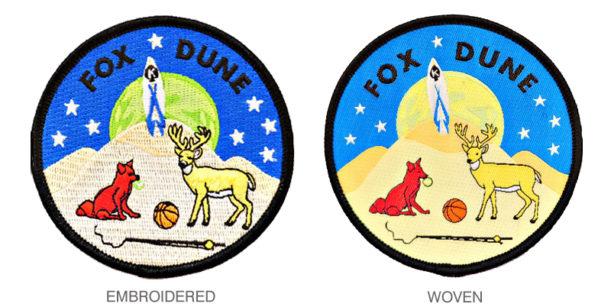
Woven badges excel at reproducing intricate artwork with fine lines, small text under 3mm, and complex colour gradients. The tight weaving process allows for crisp edges and high-resolution imagery that embroidered patches cannot achieve. Corporate logos with delicate typography, detailed mascots, or multi-colour designs with subtle shading benefit from woven construction.
Embroidered patches work best for bold, simplified designs with thicker lines and larger text elements. The stitching process creates natural limitations—fine details become muddled, and tiny lettering loses legibility. Simple logos, team crests, and designs emphasising visual impact over precision suit embroidery’s strengths.
Surface Texture Preferences
The tactile experience differs dramatically between these patch types. Woven badges deliver a completely flat, smooth surface that sits flush against fabric. This sleek profile appeals to modern aesthetics and prevents snagging on equipment or clothing. Fashion brands, tech companies, and contemporary organisations often prefer this refined appearance.
Embroidered patches offer a raised, dimensional texture that creates visual depth and traditional appeal. The layered stitching produces a tactile quality many associate with premium craftsmanship and heritage branding. Military units, sports teams, and organisations valuing classic presentation gravitate towards this textured finish.
Application Environment Demands
The usage context determines durability requirements. Heavy-duty applications demand embroidered patches:
- Outdoor gear and equipment exposed to abrasion, weather, and rough handling
- Work uniforms in industrial, construction, or service environments
- Military and emergency services apparel requiring long-term resilience
- Sports team wear subjected to frequent washing and physical activity
Woven badges perform adequately in controlled environments:
- Office uniforms and corporate attire with minimal physical stress
- Retail staff clothing in climate-controlled indoor settings
- Promotional merchandise and casual wear with moderate use
- Event badges
How Do Budget and Application Context Affect Patch Durability Choices?
Patch cost considerations play a significant role in selecting between woven and embroidered options. Woven badges typically cost less per unit, especially when producing intricate designs with fine details, small text, or complex colour gradients that would require extensive stitching time with embroidery.
Embroidered patches command higher prices due to the labour-intensive stitching process and greater thread consumption. The raised texture requires multiple thread layers, increasing production time and material costs. For organisations ordering large quantities, this price difference becomes substantial.
When Does Budget Justify Choosing Woven Badges?
Budget-conscious buyers benefit from woven badges when:
- Producing high volumes of patches for promotional events or retail merchandise
- Creating detailed logos with intricate elements that embroidery cannot replicate cost-effectively
- Outfitting staff in customer-facing roles where appearance matters more than extreme durability
- Designing patches for indoor uniforms or casual apparel with minimal wear exposure
When Does Investing in Embroidered Patches Make Financial Sense?
The higher upfront cost of embroidered patches delivers long-term value in demanding applications. Construction workers, emergency services personnel, and outdoor professionals require patches that withstand harsh conditions without replacement.
Are woven badges more durable than embroidered patches? The answer depends entirely on application context. A woven badge on a corporate polo shirt may last years with proper care, whilst the same badge on a firefighter’s jacket would deteriorate rapidly.
Military and law enforcement agencies consistently choose embroidered patches despite higher costs because replacement expenses and professional appearance requirements justify the investment. A £5 embroidered patch lasting five years proves more economical than replacing £2 woven badges annually.
Matching Patch Type to Intended Use
Casual wear applications suit woven badges perfectly. Fashion brands, sports teams, and lifestyle companies prioritise visual appeal and detailed branding over industrial-strength durability. The smooth finish complements modern aesthetics whilst maintaining adequate resilience for typical washing and wearing.
Rugged uniforms demand embroidered patches. Workwear for mechanics, landscapers, warehouse staff, and tradespeople faces constant abrasion, chemical exposure
More about Custom Acrylic Keychains vs. Printed Keyrings: Which is More Budget-Friendly?