
This guide breaks down what to expect, from choosing an artist to aftercare, so they can arrive prepared and leave confident.
What should they do before booking a tattoo in Sydney?
When choosing a tattoo parlour Sydney, they should start by deciding on a clear idea, placement, and rough size. That helps artists quote accurately and advise what will hold up well over time.
When visiting a tattoo parlour Sydney, they will also want to check licensing, hygiene standards, and healed work in portfolios, not just fresh tattoos. If they have reference images, they should bring a small set that shows the style they want.
How do they choose the right tattoo artist and studio?
They should choose an artist based on style match first, then experience and consistency. A great realism artist may not be the best fit for fine line or traditional, and vice versa.
They can read reviews, but the strongest signal is healed photos and repeat clients. A reputable tattoo parlour in Sydney will be transparent about pricing, processes, and aftercare.
What happens when they arrive at the tattoo parlour?
They will check in, confirm the booking, and go through any required forms. Most studios will ask for photo ID to confirm they are over 18.
They can expect a brief chat about the design, size, placement, and any final changes. If the studio feels rushed, unclear, or dismissive, they can pause and reconsider before committing.
What health and safety checks should they expect?
They should expect a clean, organised space and artists who wash hands, wear fresh gloves, and use single use needles and disposable barriers. Surfaces should be covered or disinfected between clients.
They may be asked about allergies, skin conditions, medications, or medical history that affects healing. They should answer honestly because it helps prevent complications and improves the outcome.
How does the consultation and design process usually work?
They will usually discuss the concept, then the artist will refine it to suit body flow and longevity. Good artists will explain what details may blur over time and suggest tweaks.
They might receive a sketch in advance, or they might see the final design on the day, depending on the studio’s process. They should ask questions until they understand exactly what will be tattooed.
What is a stencil, and why does placement matter so much?
They will usually see the design transferred as a stencil before tattooing starts. This is the best time to check alignment, scale, and how it sits when they move naturally.
They should look in the mirror, walk around, and check it from different angles. If something feels off, they should say so before the tattoo begins, since changes are far easier at the stencil stage.
How painful is the tattooing process likely to be?
Pain depends on placement, session length, and personal tolerance. Areas with thin skin or lots of nerve endings usually hurt more, like ribs, sternum, feet, and elbows.
They can reduce discomfort by arriving rested, hydrated, and having eaten beforehand. They should avoid alcohol and recreational drugs, since these can increase bleeding and make the session harder to manage.
What happens during the tattoo session itself?
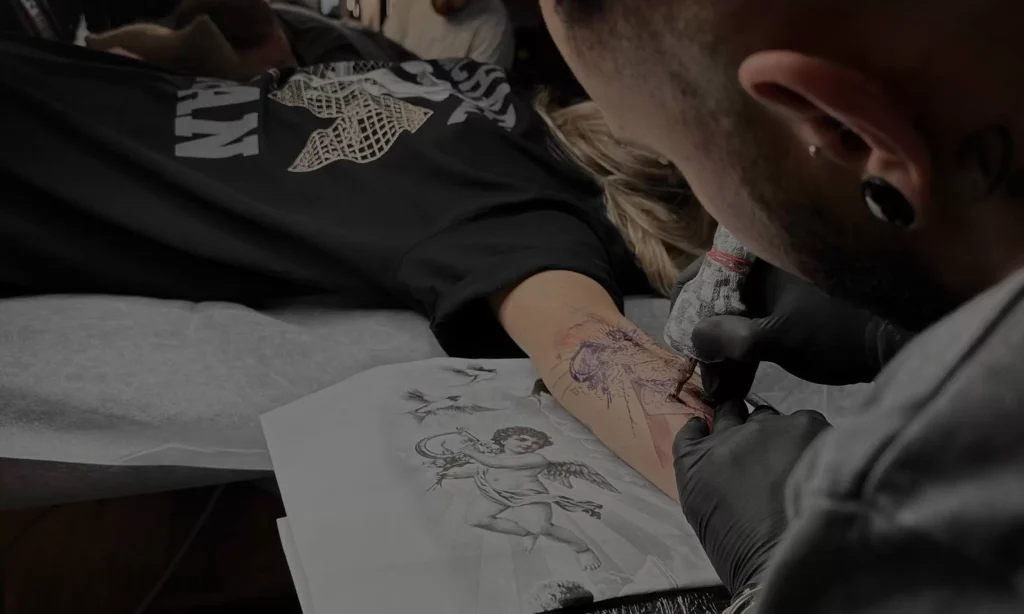
The artist will prep the skin by shaving if needed, cleaning the area, and setting up sterile equipment. They will then start with outlines, followed by shading or colour depending on the design.
They can expect wiping, buzzing sounds, and short breaks. If they need a pause, they can ask, but frequent movement can affect line quality, so staying still matters.
How long will it take, and how is pricing usually handled?
Time varies by size, detail, and placement. A small, simple piece might take under an hour, while larger work can take multiple sessions.
Pricing is usually either by an hourly rate or a set quote for the piece. Many studios take a deposit to secure the appointment, and that deposit is usually deducted from the final cost.
What should they bring to the appointment?
They should bring photo ID, payment method, and comfortable clothing that allows easy access to the area being tattooed. If the session is longer, they can bring water and a snack.
They may also want headphones, especially for longer appointments. They should avoid arriving with sunburn, irritated skin, or heavy fragrance, since these can interfere with prep and comfort. Read more about skin conditions.
What aftercare instructions should they expect to receive?
They will usually be told how long to keep the initial wrap on, when to wash, and what ointment or moisturiser to use. They should expect clear rules around clean hands, gentle washing, and avoiding soaking.
They should avoid pools, beaches, spas, and heavy sweating during early healing. Sydney’s sun is intense, so they should also keep the tattoo out of direct sunlight while it heals.
What is normal during healing, and what is not?
Mild redness, swelling, tenderness, flaking, and itching are normal. The tattoo may look dull or patchy during peeling, which is part of the process.
Warning signs include increasing redness, heat, severe swelling, pus, a bad smell, fever, or red streaking. If they notice these, they should contact the studio and seek medical advice promptly. Read more about Bondi tattoo artists and how to pick the right one for you.
How should they plan for touch ups and long term care?
Some tattoos need a touch up, especially fine line work, high movement areas, or pieces that healed unevenly. Many studios offer touch ups within a set timeframe, but policies vary.
Long term, they should moisturise regularly and use sunscreen once healed. Sun protection is one of the biggest factors in keeping tattoos crisp, dark, and readable over the years.
FAQs (Frequently Asked Questions)
What should I do before booking a tattoo appointment in Sydney?
Before booking, decide on a clear idea, placement, and rough size to help artists provide accurate quotes and advice. Check the tattoo studio’s licensing, hygiene standards, and healed work in portfolios. Bring reference images that showcase the style you want.
How do I choose the right tattoo artist and studio in Sydney?
Choose an artist based on style match first, then experience and consistency. Look for healed photos and repeat clients as strong indicators of quality. A reputable Sydney tattoo parlour will be transparent about pricing, processes, and aftercare.
What happens when I arrive at a tattoo parlour in Sydney?
Upon arrival, you’ll check in, confirm your booking, and complete any required forms. Studios typically ask for photo ID to verify you are over 18. Expect a brief discussion about your design, size, placement, and any final changes before starting.
What health and safety measures are standard at Sydney tattoo studios?
You should expect a clean and organised environment with artists washing hands, wearing fresh gloves, using single-use needles, and disposable barriers. Surfaces are disinfected between clients. You’ll be asked about allergies or medical history affecting healing to prevent complications.
How do consultations and design processes work at tattoo studios in Sydney?
Consultations involve discussing your concept while the artist refines it for body flow and longevity. Artists explain which details may blur over time and suggest adjustments. You might receive sketches beforehand or see the final design on appointment day; ask questions until you’re confident with the design.
What aftercare instructions should I follow after getting a tattoo in Sydney?
Aftercare includes keeping the initial wrap on as instructed, washing gently with clean hands, applying recommended ointments or moisturisers, and avoiding soaking in pools or beaches during healing. Protect your tattoo from Sydney’s intense sun by avoiding direct sunlight until fully healed to ensure optimal results.